
At-Home Chemical Peels: What to Know Before Choosing One
Posted by

TheDogFoods
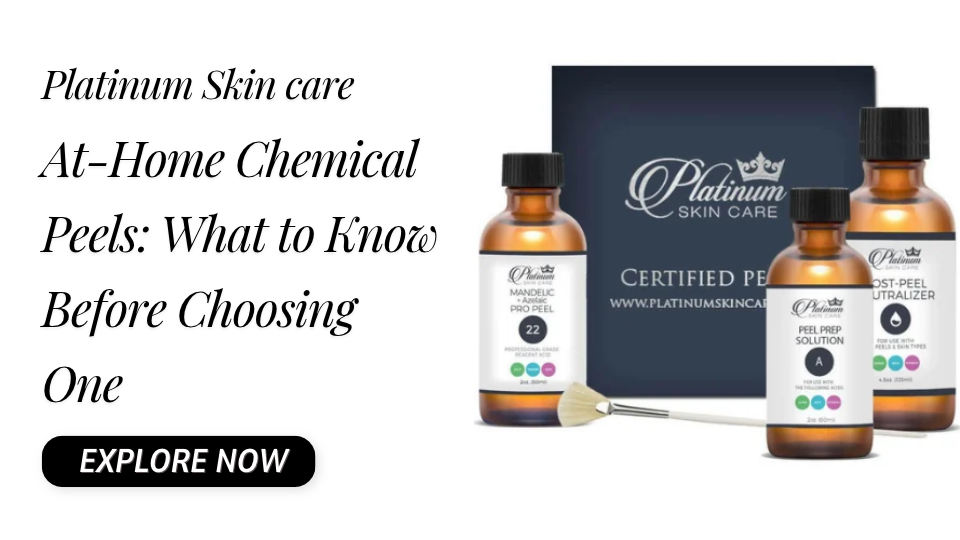
At-home chemical peels have become a popular skincare option for people interested in improving the appearance of dullness, uneven texture, and visible signs of aging. However, choosing the right peel requires more than selecting a product with an attractive label. Different acids, concentrations, and formulations serve different purposes, and using an unsuitable treatment can leave skin irritated or uncomfortable. Understanding how chemical exfoliation works is an important first step before adding a peel to your skincare routine. Whether you are exploring gentle exfoliating products or more specialized treatments, knowing the ingredients, preparation requirements, and aftercare practices can help you make a more informed decision. Platinum Skin Care offers several peel categories worth exploring when researching skincare treatments.
What Are At-Home Chemical Peels?
Chemical peels are skincare treatments that use specific acids or exfoliating ingredients to loosen dead skin cells from the skin's surface. Depending on their formulation and strength, they may help improve the appearance of rough texture, dullness, and uneven-looking skin tone.
Unlike physical exfoliants that use particles or brushes, chemical exfoliants work through ingredients that interact with the bonds between dead skin cells.
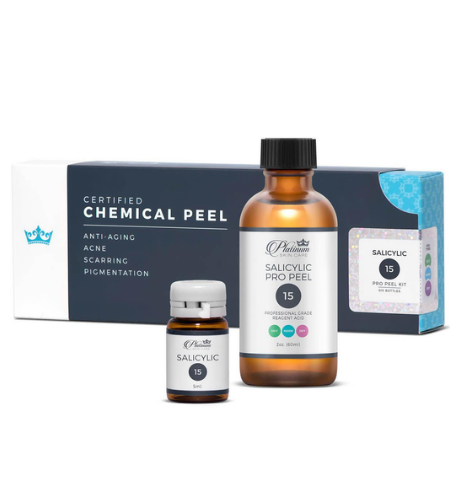
The main types include:
- Superficial peels: Designed to work on the outermost layer of skin.
- Medium-depth peels: Reach deeper layers and generally require professional assessment and supervision.
- Deep peels: More intensive treatments that require medical supervision.
Not every product marketed for home use is appropriate for independent application. Strength and intended use should always be considered.
Common Ingredients Used in Chemical Peels
Understanding the different acids can make product selection easier.
Glycolic Acid
Glycolic acid is an alpha hydroxy acid (AHA) commonly used for surface exfoliation. Its small molecular size allows it to penetrate the outer skin layer effectively. It is often included in formulations intended to improve the appearance of dullness and rough texture.
Lactic Acid
Lactic acid is another AHA used in exfoliating products. It is commonly selected for formulations targeting uneven texture and surface dullness.
Salicylic Acid
Salicylic acid is a beta hydroxy acid (BHA) that is oil-soluble. It is frequently used in skincare products formulated for oily and blemish-prone skin because it can help clear accumulated material from pores.
Mandelic Acid
Mandelic acid is an AHA with a larger molecular structure than glycolic acid. It is commonly used in exfoliating formulations designed for people seeking an alternative to stronger-feeling acid treatments.
TCA
Trichloroacetic acid (TCA) is used in chemical peel formulations of varying strengths. It is a more intensive ingredient than many everyday exfoliating acids and should not be approached like a regular facial toner or serum.
Exploring Chemical Peel Options at Platinum Skin Care
Platinum Skin Care offers a dedicated collection of at-home chemical peels and related skincare products. Its website organizes treatments by ingredients and product categories, allowing customers to compare different formulations.
Some notable options include:
- Glycolic Acid Peels: Options for people interested in alpha hydroxy acid exfoliation.
- Salicylic Acid Peels: Formulations associated with oily and blemish-prone skincare routines.
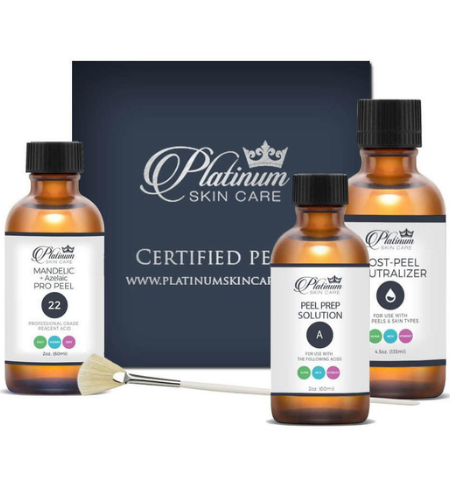
- Mandelic Acid Peels: An alternative acid category for people researching different exfoliation options.
- TCA Peels: More intensive formulations that require careful consideration and appropriate professional guidance.
- Dream Peel: A vitamin A peel product available in the store's specialized treatment collection.
The store also offers peel preparation and post-peel skincare categories. These are important because selecting a treatment is only one part of understanding the overall process.
Before purchasing, review the individual product description, ingredients, concentration, and intended application. A product being available for at-home purchase does not mean every strength is suitable for every customer.
Preparing Your Skin Before a Chemical Peel
Preparation can help reduce avoidable irritation and make it easier to understand how your skin responds to a treatment.
Here are some important considerations:
- Avoid introducing several new active ingredients immediately before treatment.
- Do not apply exfoliating acids to already irritated or damaged skin.
- Review whether your current skincare products contain retinol or other exfoliating ingredients.
- Follow the specific preparation instructions supplied with your chosen product.
- Seek professional advice if you have sensitive skin or an existing skin condition.
It is also important to understand that different peels have different preparation requirements. There is no single preparation routine that works for every formulation.
Chemical Peel Aftercare: What Should You Do?
Aftercare is an important part of any chemical exfoliation process. The skin may become temporarily dry, sensitive, or irritated, depending on the treatment.
A careful aftercare routine generally focuses on simplicity.
Use gentle cleansing products: Avoid harsh cleansers, scrubs, and unnecessary exfoliation while your skin is recovering.
Maintain hydration: A suitable moisturizer can help support skin comfort and its natural moisture barrier.
Protect your skin from sunlight: Use broad-spectrum SPF 30 or higher and follow appropriate sun-protection practices.
Avoid picking or peeling skin: If flaking occurs, allow the skin to shed naturally rather than pulling at loose skin.
Follow product-specific instructions: Do not repeat a treatment or combine it with another peel unless the instructions and qualified professional guidance support doing so.
For significant pain, blistering, swelling, or unexpected reactions, stop using the product and seek medical advice.
How to Choose the Right Chemical Peel
Choosing a chemical peel depends on your skin type, previous skincare experience, and specific cosmetic concerns.
Consider these factors before selecting a product:
- Identify your main concern: Decide whether you are primarily interested in dullness, uneven texture, or another cosmetic concern.
- Understand the ingredient: Research the acid used in the formulation and its intended purpose.
- Check the concentration: Higher concentrations can increase irritation and are not automatically better.
- Consider skin sensitivity: Sensitive or easily irritated skin may require a gentler approach.
- Review application instructions: Check the product's intended use, application time, and safety precautions.
If you are new to chemical exfoliation, begin with a gentle, appropriately formulated product rather than experimenting with strong professional-strength peels.
Pros and Cons of At-Home Chemical Peels
Understanding the advantages and limitations can help you decide whether this skincare category suits your needs.
Pros
- Different acids are available for different cosmetic concerns.
- Some superficial exfoliating products are designed for home routines.
- A variety of formulations and strengths are available.
- Certain products can complement a broader skincare routine.
Cons
- Incorrect application can cause irritation or chemical burns.
- Stronger formulations require greater caution.
- Results and skin tolerance vary between individuals.
- Some treatments require professional supervision.
- Specialized products may have restrictive return policies.
Frequently Asked Questions
1. Are at-home chemical peels suitable for beginners?
Some gentle superficial exfoliating products may be suitable for beginners. Stronger peels should not be attempted without appropriate knowledge and professional guidance.
2. How often should you use a chemical peel?
Frequency depends on the formulation, concentration, and intended application. Always follow the manufacturer's instructions rather than assuming all peels can be used weekly.
3. Which acid is commonly used for oily skin?
Salicylic acid is commonly included in products designed for oily and blemish-prone skin.
4. Can chemical peels improve uneven skin texture?
Certain chemical exfoliants may improve the appearance of rough texture by removing accumulated dead skin cells. Individual results vary.
5. Can you use retinol after a chemical peel?
Combining retinol with a chemical peel can increase irritation. Follow the treatment instructions and obtain professional guidance before restarting retinol.
6. Does Platinum Skin Care offer different chemical peel options?
Yes. Its collection includes glycolic, salicylic, mandelic, and TCA peel options, along with specialized treatments and supporting skincare products.
Conclusion
At-home chemical peels can be an option for people interested in exfoliation and improving the appearance of uneven skin texture. However, choosing the right formulation, understanding ingredient strengths, and following appropriate safety precautions are essential.
Platinum Skin Care offers several chemical peel categories that allow customers to explore different formulations and treatment options. Take time to compare products, understand their instructions, and seek professional guidance before considering stronger treatments. A careful, informed approach is more important than choosing the strongest peel available.
Share:
Latest Posts

How to Choose the Right Dog Food for Your Pet

Essential Dog Supplies for a Comfortable Everyday Routine

Dog Treats and Toys: Simple Ways to Make Playtime More Engaging

How to Create a Cozy Dog Corner in Your Home