
Dog Treats and Toys: Simple Ways to Make Playtime More Engaging
Posted by

TheDogFoods
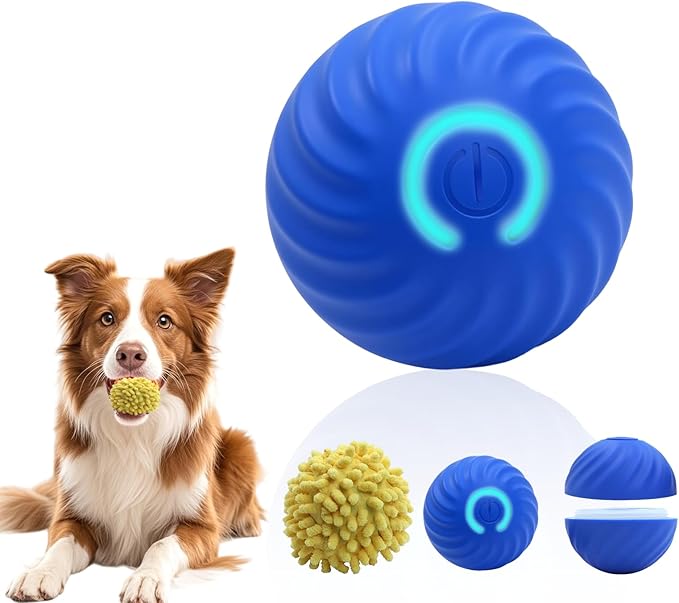
Playtime does not have to involve a new toy every week. Often, changing how you use a familiar item creates a more interesting activity for your dog.
A few suitable toys, small food rewards and time together can give you plenty of options. The key is to choose activities your dog enjoys and keep each session manageable.
Match the Toy to the Activity
Start by watching what your dog chooses to do. Do they chase a ball, carry a soft toy around the house or investigate anything that contains food?
Use those preferences to guide your purchases. A fetch toy suits interactive outdoor play, while a food puzzle offers a different kind of activity at home. A toy’s popularity does not guarantee it will interest your dog.
Read the intended use and size guidance. Check for loose parts and signs of wear, and supervise your dog when introducing an unfamiliar toy.
Use Food Puzzles at Mealtimes
The ASPCA describes food puzzles as a way to provide mental stimulation and slow eating. You can use suitable portions of your dog’s usual food in a compatible puzzle rather than always adding extra treats. www.aspca.org
Begin with an easy setup so your dog can succeed. Show them where the food is and give them room to investigate. If they lose interest or become frustrated, simplify the activity instead of immediately choosing a harder puzzle.
Check that the feeder can be washed thoroughly and that it is suitable for the type of food you intend to use.
Make Treats Part of Short Training Sessions
Food rewards can make a brief practice session more appealing. Choose manageable pieces and have them ready before you begin. Practise one familiar cue in a quiet place, reward the response and finish while your dog is still engaged.
Account for rewards as part of your dog’s overall food intake. If your dog follows a prescribed diet, check which rewards are suitable with your veterinarian before introducing new treats.
Keep sessions short enough to fit naturally into your day, such as a few minutes before a walk or between household tasks.
Rotate a Small Selection of Toys
Try keeping a few suitable toys available and storing the rest. Swap the selection occasionally and observe which items your dog returns to.
This also gives you an opportunity to inspect and clean the toys. Remove damaged products instead of returning them to the rotation. Put away anything that requires direct supervision when playtime ends.
A small collection makes it easier to keep track of the condition of each toy.
Keep Playtime Interactive
Toys work best as part of a shared routine. Let your dog take breaks, change the activity when their interest fades and choose a space with enough room for the game.
A gentle search activity, a short fetch session and quiet time with a familiar toy offer different experiences. You do not need to turn every session into an energetic workout.
Pay attention to which activities your dog enjoys, and use those preferences to plan future sessions.
Choose What Your Dog Will Use
Build your collection around your dog’s preferences, the available space and the time you can spend together. A few well-chosen products are easier to maintain and use consistently.
Visit TheDogFoods to explore available treats and toys, and check the size, intended use and cleaning instructions before purchasing.
Share:
Latest Posts
How to Choose the Right Dog Food for Your Pet

Essential Dog Supplies for a Comfortable Everyday Routine
Dog Treats and Toys: Simple Ways to Make Playtime More Engaging

How to Create a Cozy Dog Corner in Your Home